
Engineering Across Industries.
SEW doesn't sell to sectors — it solves their engineering problems. Worn geometry, obsolete components, demanding duty: the machinery changes from industry to industry, the discipline doesn't.
Eight Spokes. One Hub.
One Discipline.
Every sector connects to the same engineering core: reverse engineer, manufacture, validate, deliver.
Three Sectors, Up Close.
Where the components are most specialised, the engineering story is best told in detail.
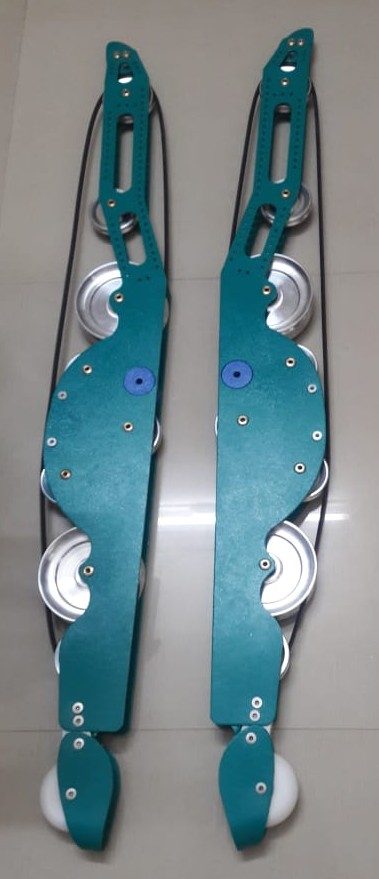
The Mill Doesn't Stop
for a Missing Cam.
Finishing machinery wears in known places — cams, rollers, blades, links and pins. SEW has measured and re-engineered these components since 2010, working from the machines themselves.
- Worn cams and rollers re-engineered from the sample itself
- Blade, chain and pin geometry restored to drawing tolerance
- Materials selected for heat, humidity and continuous fabric load
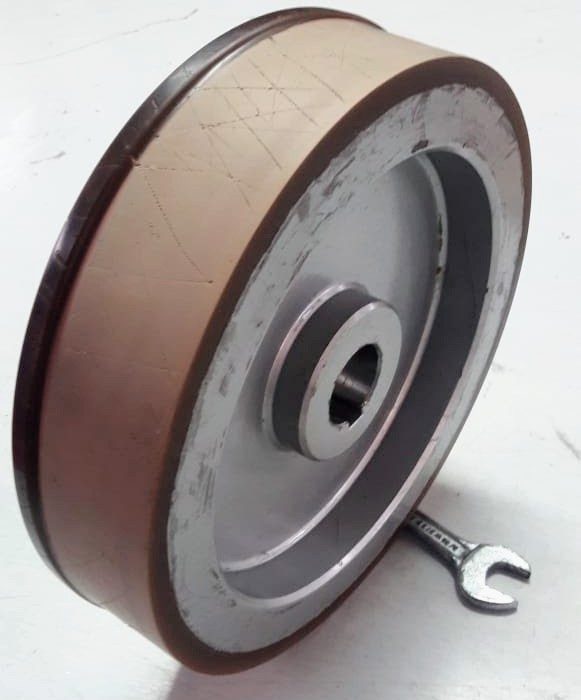
Heat, Load and Continuous Duty
Find Weak Components.
Power applications run hot, loaded and long. A component that is merely close enough fails early. SEW engineers replacements around the operating environment — material, fit and treatment chosen for the duty.
- Couplings, shafts and machined components for continuous duty
- Material and heat treatment matched to load and temperature
- Dimensional validation and documentation before dispatch
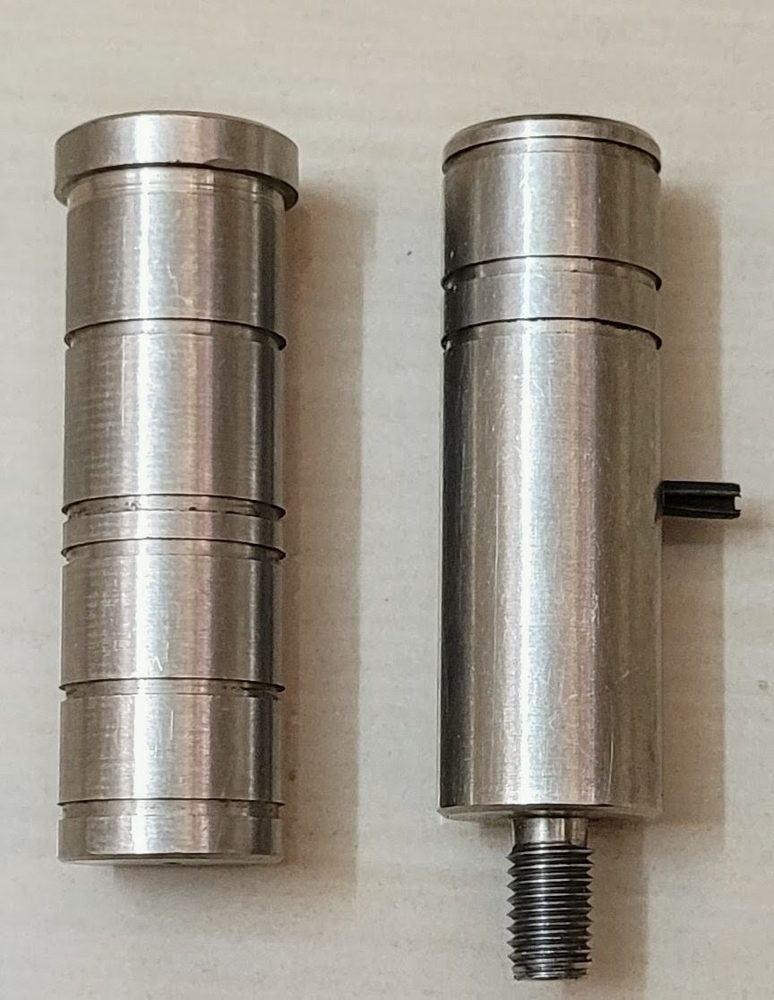
Where a Sealing Face Is
an Engineering Decision.
Robust components for demanding applications: flanges, fittings and machined parts engineered with awareness of applicable industry codes (ASME · API · IBR), and delivered with dimensional records.
- Sealing faces and pressure-bearing geometry machined to drawing
- Standards-aware engineering — ASME · API · IBR
- Engineering data retained for repeat, like-for-like supply
Different Machinery.
Familiar Failure Modes.
Five more sectors where worn geometry, obsolete parts and demanding duty look different — but respond to the same workflow.
Chemical & Petrochemical
In process service, the wrong material costs far more than the part. Selection, sealing and compatibility come before price.
- Material identification and selection for process duty
- Sealing and wear components engineered to fit and finish
- Replacements validated dimensionally before supply
Manufacturing
Production lines need more than parts — they need fixtures that repeat, tooling that lasts and machines adapted to the job.
- Precision components and customized manufacturing
- Fixtures, jigs and tooling built to your process
- Automation for machines and material handling
Processing
A continuous line cannot pause for a part search. SEW supplies replacements — and engineers improvements where the original wears too fast.
- Replacement parts for continuous lines
- Wear points re-engineered, not just re-made
- Data retained so the next order is one call
Construction
Abrasion, impact and overload are the operating condition, not the exception. Components are engineered — and reconditioned — to take it.
- Hard-wearing pins, bushings, wheels and wear parts
- Reconditioning for heavy-equipment assemblies
- Materials and treatments chosen for abuse, not averages
Heavy Machinery
Big machines have big problems: large components, worn geometry and drives whose OEM has moved on.
- Large components machined and fabricated
- Worn geometry re-engineered back to true
- Obsolete drives replaced through reverse engineering
Machinery Not Listed?
Sectors are a map, not a boundary. If it's engineered, SEW can engineer for it — start from the component, not the category.
- Send a sample, drawing or photograph
- We respond with an engineering assessment
Whatever the Sector,
the Discipline Is the Same.
Reverse engineer → manufacture → validate → deliver. Tell us which machine is hurting, and we'll answer with an engineering assessment.